A1 Brooklyn Pro Locksmith Service Team
Local locksmith team
Apr 23, 2026 11 min read
Running a business in Brooklyn means juggling a hundred things at once — rent negotiations, foot traffic, staffing, and somewhere near the bottom of the list, the locks on your front door. But security gaps at your storefront, office, or warehouse can cost you far more than a locksmith visit ever would. Whether you lease a ground-floor space on Atlantic Avenue, manage a multi-tenant building near the Brooklyn Navy Yard, or run a boutique on Fifth Avenue in Park Slope, the hardware protecting your business deserves the same attention you give your margins.
This checklist is built for Brooklyn commercial tenants and small business owners who want a clear, honest look at what to inspect, what to upgrade, and when to call a professional commercial locksmith. We will walk through master key systems, storefront gate locks, exit hardware, mortise lock maintenance, and the questions every tenant should ask before signing a lease or handing over a key. No jargon, no scare tactics — just practical steps that work in the real world.
## Start at the Front: Mortise Lock Inspection for Commercial Tenants
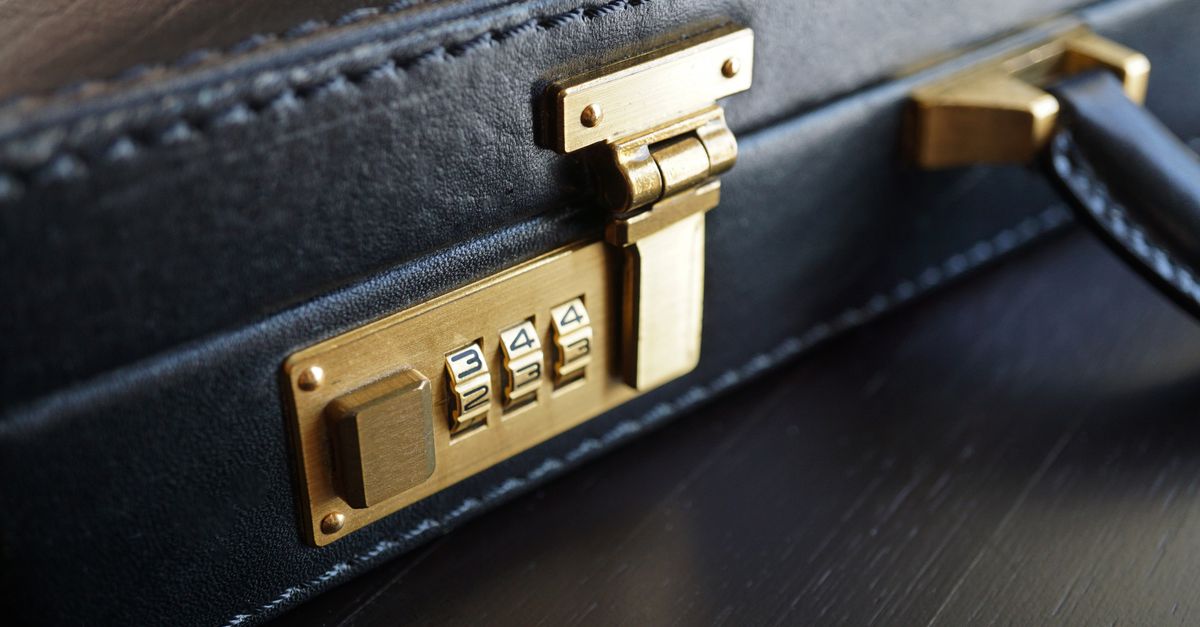
The mortise lock is the workhorse of Brooklyn commercial security. Unlike a simple cylindrical knob lock, a mortise lock is a full-body mechanism that sits inside a pocket — or mortise — cut into the door itself. It combines a deadbolt, latch, and often a night latch into a single reinforced unit, which is why you see them on nearly every storefront door from Flatbush to DUMBO. If your space has an older mortise lock, the first thing to check is the cylinder condition. A worn or loose cylinder can be extracted or manipulated far more easily than a tight, well-fitted one. Run your finger around the face plate: if there is any wobble, visible scoring, or the key feels gritty and unpredictable, schedule a professional inspection before it becomes an emergency.
When you take over a new commercial space, assume the previous tenant — or their employees, vendors, or cleaning crew — may still have working copies of the key. Rekeying the mortise lock cylinder is an inexpensive precaution that resets your security baseline without replacing the entire hardware unit. A skilled commercial locksmith can rekey most mortise cylinders in a single visit and verify that the door frame, strike plate, and throw length are all correctly aligned. This is also a good moment to check whether the lock meets NYC building code for your occupancy type, especially if you have employees who need a safe egress path in an emergency.
## Master Key Systems: Control Who Gets In and When
A well-designed master key system gives a Brooklyn business owner layered access control without the chaos of carrying a jangling ring of twenty keys. The system works by cutting keys at different levels: a grand master key that opens every lock in the building, department-level master keys for managers, and individual change keys for each employee or tenant. When it is set up correctly, you can let a delivery service into the loading dock without giving them access to your back office, or give a night cleaner access to the retail floor while keeping the stock room locked. When it is set up poorly — or has been patched and re-patched over years of staff turnover — the same system becomes a liability.
The most common problem we find in Brooklyn commercial buildings is a master key system that has drifted out of control. Keys get copied without authorization, former employees never return their change keys, and new cylinders get added that do not fit cleanly into the hierarchy. If you cannot account for every key in your system right now, it is time for an audit. A professional commercial locksmith can map your current system, identify orphaned keys or mismatched cylinders, and recommend whether to rekey the existing hierarchy, upgrade to a restricted keyway that is harder to duplicate at a corner hardware store, or move to a hybrid system that pairs physical keys with electronic access on your most sensitive doors. If your business spans multiple floors or you share a building with other tenants near Borough Hall or in the Gowanus area, a structured master key audit is worth scheduling annually.
## Storefront Gates, Door Knob Locks, and the Hardware Nobody Checks
Roll-down security gates are a fixture of Brooklyn commercial life — you see them every morning lifting on Fulton Street, Church Avenue, and Nostrand Avenue. The locks securing those gates are often overlooked until they fail on a Sunday night when you are trying to close up. The most common gate lock failure points are the slam lock cylinder (the round lock built into the gate itself), the hasp padlock if the gate uses one, and the guide tracks that keep the curtain aligned when the latch is under pressure. A padlock left in a hasp for years without lubrication will eventually seize; a slam lock cylinder that has been drilled or picked in a previous break-in attempt may look intact from the outside while the internal pins are damaged.
Do not overlook the door knob lock on your interior office or storage room door either. A door knob lock is often the only thing standing between your safe, your server rack, or your product inventory and an opportunistic intruder who has already breached your front entrance. Many commercial-grade door knob locks use a simple pin tumbler cylinder that can be upgraded to a higher security variant without changing the knob hardware itself. While you are inspecting hardware, check every strike plate in the building. A strike plate held in place by half-inch screws offers almost no resistance; replacing them with three-inch screws that reach the door frame stud is a five-minute upgrade that significantly increases forced-entry resistance. If any of this sounds like a longer afternoon than you planned, our team is available around the clock — call (347) 745-5930 and we can schedule a commercial security walkthrough at a time that does not disrupt your business hours.
## Exit Hardware, Emergency Locksmith Response, and Code Compliance
Exit devices — the crash bars and push-pad mechanisms you see on fire exit doors — are regulated by New York City building and fire codes for a reason. They must allow egress with a single motion, no special knowledge, and no key on the egress side. If your exit device requires two hands, a twist, or a specific technique to open from the inside, it may already be out of compliance and it is definitely a safety risk to your staff. Test every exit door in your building right now: push the bar, confirm the door swings freely, then walk outside and check that the exterior face cannot be simply pulled open without a key or code. If the door does not reclose and latch on its own, the closer mechanism needs adjustment or replacement.
Even a well-maintained system can produce a genuine emergency. A key that breaks off in a mortise lock cylinder at 11 PM, a panic bar that jams just before the Saturday rush, a gate lock that freezes during a January cold snap — these are the calls we handle every week across Brooklyn's zip codes, from 11201 in Brooklyn Heights to 11234 in Canarsie and everywhere between, including 11211, 11215, 11220, 11236, and 11249. When you call an emergency locksmith, what you need most is someone who arrives with the right tools for your specific hardware, not a one-size-fits-all kit. Our mobile units are stocked for commercial hardware including mortise lock cylinders, exit device components, and high-security padlocks, so we can resolve most commercial emergencies in a single visit without ordering parts.
## How to Vet, Trust, and Work with a Commercial Locksmith in Brooklyn
The question 'How do I know if a locksmith is legit?' comes up constantly, and it is a smart question to ask. Here is what to look for: a real local locksmith will give you a business name and address you can verify, arrive in a marked vehicle, show identification before starting any work, and provide a written quote before touching your lock. If a locksmith refuses to give you a price in writing before starting work, or quotes one number on the phone and hands you a dramatically different invoice at the end, those are serious warning signs. You can also ask how long they have been serving Brooklyn specifically — a team with genuine local experience will know the difference between a Medeco mortise cylinder on a Carroll Gardens brownstone and a standard Yale deadbolt on a Bay Ridge retail unit.
On the question of cost: what determines the final price of a commercial locksmith call is not a mystery. Factors include the type of lock or hardware involved (a high-security mortise lock cylinder costs more to service than a basic door knob lock), the time of day (after-hours and weekend visits involve different logistics), travel distance within Brooklyn, and whether replacement parts are needed versus just service labor. Some people ask about a locksmith call out fee — this is a standard practice where a baseline visit charge covers the technician's time and travel before any work begins. A transparent locksmith will explain all of these factors upfront and confirm your exact price before any work starts. That is exactly how we operate at A1 Brooklyn Pro Locksmith. When you call (347) 745-5930, we will ask about your specific hardware, location, and situation, and give you a clear number before we dispatch — no surprises on the invoice.
Frequently asked questions
How do I know if a locksmith is legit?+
A trustworthy locksmith will arrive in an identified vehicle, present ID before starting any work, and provide a written price confirmation before touching your lock or door. They will ask questions about your specific hardware rather than quoting a flat number sight unseen. Be cautious of anyone who quotes an unusually vague price over the phone and then presents a far higher invoice after the work is done. For commercial properties specifically, ask whether the technician has experience with your type of hardware — mortise locks, exit devices, and master key systems all require different expertise than residential deadbolts. At A1 Brooklyn Pro Locksmith, our team is insured, experienced with Brooklyn commercial properties, and will always confirm your price in writing before any work begins.
What are the zip codes for Brooklyn, NY, and do you cover all of them?+
Brooklyn spans dozens of zip codes across its 71 square miles, including 11201 (Brooklyn Heights and DUMBO), 11211 (Williamsburg), 11215 (Park Slope), 11220 (Sunset Park), 11226 (Flatbush), 11234 (Canarsie), 11236 (Canarsie and Flatlands), and 11249 (North Williamsburg), among many others. Our mobile team covers Brooklyn comprehensively — we are dispatched from within the borough, which means shorter response times whether you are near the waterfront in Red Hook or further out in Flatlands. If you are unsure whether your address falls within our service area, just call (347) 745-5930 and we will confirm coverage immediately.
What is a locksmith call out fee and how does pricing work for commercial jobs?+
A call out fee — sometimes called a service call or trip charge — is a baseline charge that covers the technician's time and travel to your location before any actual work begins. It is a standard and legitimate part of how mobile locksmith services are structured. For commercial jobs, the total cost factors in the call out fee plus the labor and any parts required. What affects the final number includes the type of hardware involved (a mortise lock service differs from a basic door knob lock replacement), whether the visit is during regular hours or an after-hours emergency, your location within Brooklyn, and whether parts need to be sourced or are already on the truck. We never start work until you have confirmed and agreed to the exact price — there are no hidden additions after the fact.
How does a locksmith open a locked commercial door without damaging it?+
For legitimate commercial lockouts, a skilled locksmith first verifies your ownership or tenancy of the property — this might mean asking for a lease agreement, business ID, or other documentation. From there, the approach depends entirely on the hardware. For a mortise lock, a qualified technician can often manipulate or pick the cylinder using professional tools in a way that leaves the hardware fully intact and functional afterward. For a broken key extraction, a specialized extractor tool removes the fragment without damaging the cylinder body. For a seized or damaged lock where non-destructive entry is not possible, the technician will explain the situation and your options — including a controlled drill entry — before proceeding. The goal is always to preserve as much of the original hardware as possible, because that saves you the cost of full replacement.