
Why Rekeying & Lock Changes Matter After a Move or Tenant Turnover
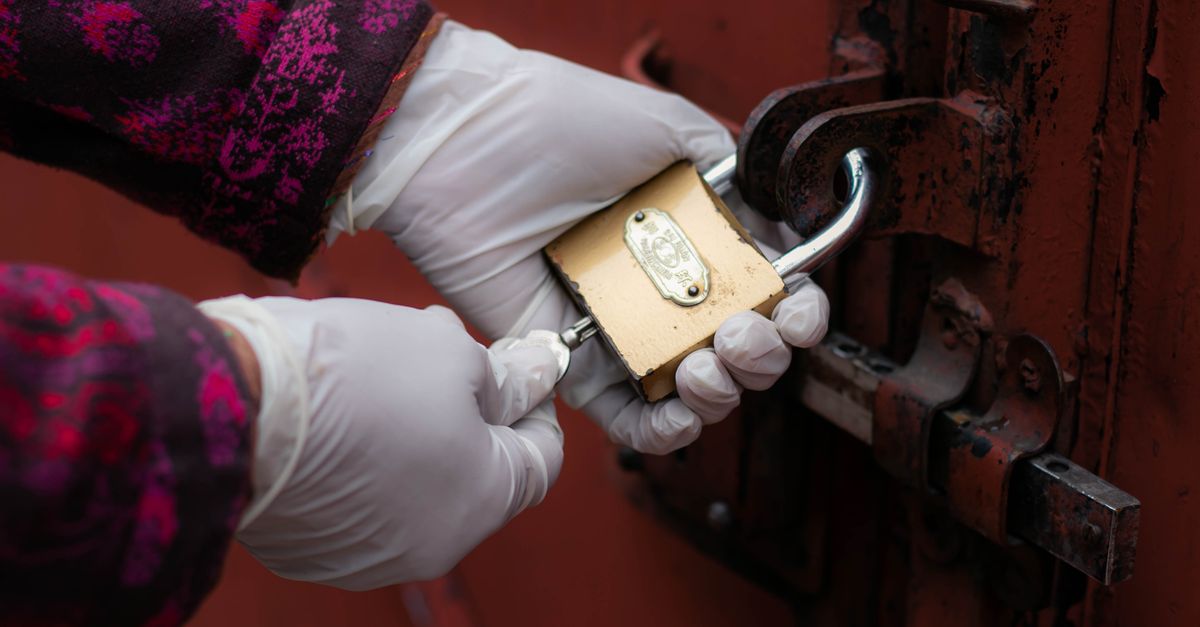
When a lease ends or a property changes hands, the outgoing occupant returns the keys they were given — but that rarely accounts for every copy. A duplicate handed to a relative, a spare left with a neighbor, or a key copied without permission can all remain in circulation long after someone has moved out. Rekeying eliminates that risk by altering the internal pin configuration of the existing lock cylinder so that the old key no longer works. It is a precise, non-destructive process performed by a skilled technician, and it takes effect immediately. For landlords managing turnover in Brooklyn's dense rental market — where buildings in neighborhoods like Sunset Park or Prospect Heights can house dozens of units — rekeying between tenants is simply responsible property management.
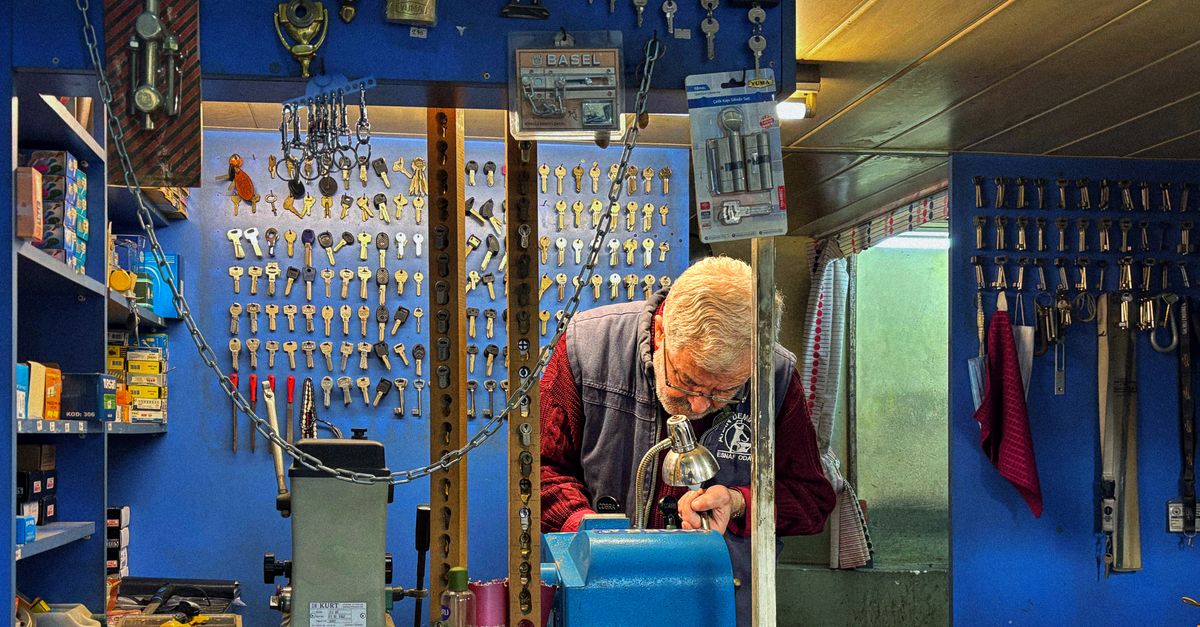
A full lock change, where the entire hardware is replaced, makes sense in different situations: when a lock is visibly worn or damaged, when you are upgrading to a higher-security option, or when the existing hardware is incompatible with rekeying. Our technicians assess your specific situation on arrival and walk you through the practical difference so you can make an informed decision. We confirm an exact up-front price before any work begins — the final quote reflects factors like the type and number of locks involved, the hardware parts needed, your location within Brooklyn, and the time of day the call comes in.