A1 Brooklyn Pro Locksmith Service Team
Local locksmith team
Jul 30, 2026 4 min read

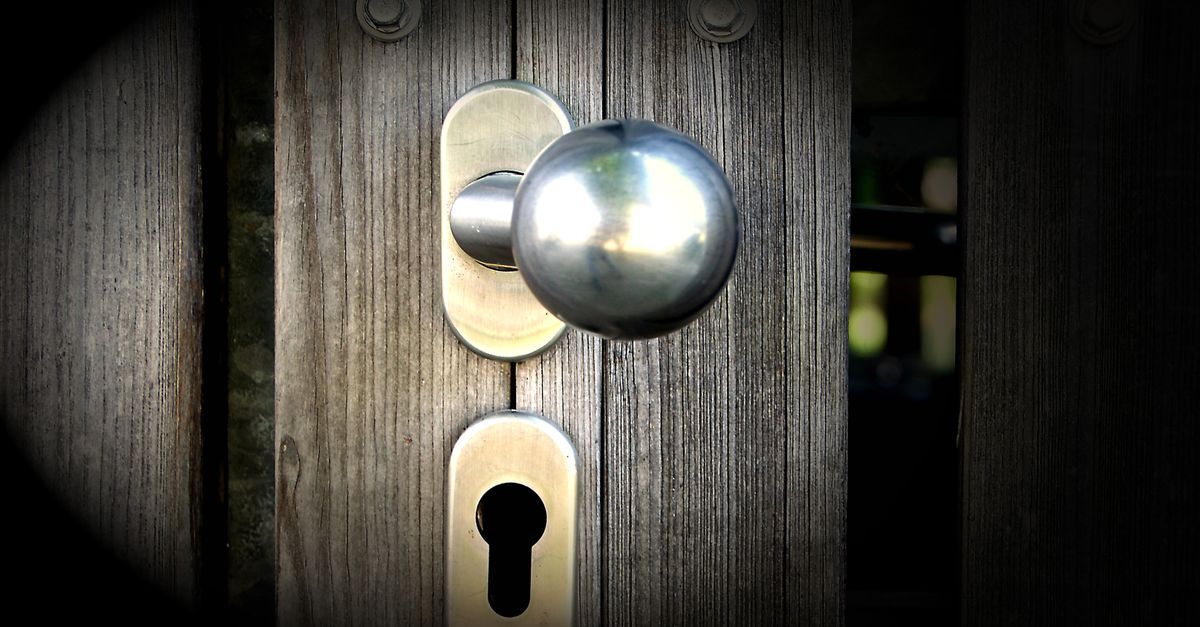
If you live in a Brooklyn brownstone — say, along Carroll Street in Park Slope or one of the stately pre-war buildings lining Eastern Parkway in Crown Heights — you've probably noticed that your front door operates differently from a modern apartment deadbolt. There's a beefy rectangular lock body recessed into the door edge, and separately, a keyed cylinder that slots into it. That combination is not an accident or a quirk of old construction. It's a mortise lock system, and understanding how it works can save you from an unnecessary replacement, a lockout that drags into the early morning, or a security upgrade you didn't realize you needed.
Brooklyn's housing stock is famously old — roughly 70 percent of the borough's residential buildings were constructed before 1960, and a huge portion of those front doors still carry their original or near-original mortise hardware. This guide walks you through what a mortise lock actually is, why brownstones so often pair it with a separate rim cylinder lock up top, how to tell when yours needs repair versus a full replacement, and when to call a trained locksmith rather than reaching for a screwdriver yourself.
Frequently asked questions
What is a mortise lock and how is it different from a regular deadbolt?+
A mortise lock is a lock mechanism housed in a rectangular case that is recessed — or 'mortised' — into the door edge itself, rather than surface-mounted. It contains multiple functions in one body: a spring latch, a deadbolt, and often a passage or privacy mechanism. A standard deadbolt or cylindrical lockset sits in a shallow bore hole and is structurally separate. The mortise design is more deeply embedded in the door, which makes it more resistant to lateral force, and its internal components are generally more serviceable and longer-lived. Pre-war brownstones throughout Brooklyn were built with mortise hardware as the standard, which is why so many of those doors still carry this style of lock today.
Can I trust a locksmith who shows up for an emergency — how do I verify they're legitimate?+
Legitimate locksmiths identify their company clearly on arrival, drive a marked or identifiable vehicle, and provide a firm price in writing or verbally before starting any work. They carry tools appropriate to your specific lock type — for mortise lock work on a Brooklyn brownstone, that means legacy cylinder extractors, internal spring assortments, and familiarity with pre-war hardware brands. If a technician arrives, glances at your door, and immediately recommends full replacement without examining the lock internally, ask questions. You should also be able to verify a business address and find consistent contact information. A1 Brooklyn Pro Locksmith is insured, our team is trained on the full range of residential and commercial lock hardware common in Brooklyn, and we confirm pricing before any work begins. You can reach us directly at (347) 745-5930.
How much does an emergency locksmith cost, and what is a call-out fee?+
There is no single fixed rate for emergency locksmith work in New York City. The price you're quoted depends on several factors: the type of lock involved (a mortise lock set on an exterior door requires more specialized work than a standard deadbolt), the time of day (late-night and weekend calls involve different logistics), the travel distance to your location, and whether parts need to be sourced for a repair or replacement. A call-out fee — sometimes called a service fee — covers the technician's travel and initial assessment. At A1 Brooklyn Pro Locksmith, we confirm the complete, all-in price before any work starts, so there are no surprises on the invoice. If you want to understand what a job will cost before committing, just call us at (347) 745-5930 and describe your situation.
Should I repair or replace my mortise lock if it's stiff or hard to turn?+
In most cases, a stiff or difficult mortise lock is a repair, not a replacement. The most common causes are a worn or dry cylinder (which can be re-lubricated or replaced independently), fatigued internal springs (replaceable without removing the lock body from the door), or a misaligned strike plate caused by years of building settlement — extremely common in Brooklyn brownstones. Full replacement becomes necessary only if the lock body casing is structurally damaged, the internal cam is sheared, or the door prep dimensions make the existing hardware unfixable. A trained locksmith should examine the lock internally before recommending replacement. If you're not sure what's wrong with your lock, call A1 Brooklyn Pro Locksmith at (347) 745-5930 and we'll assess it on-site — 24 hours a day.